Research
Our research integrates TMS, neuroimaging, and cognitive assessment to understand the aging brain. We study mild cognitive impairment, Alzheimer's disease, and cognitive aging — with a focus on image-guided therapeutic protocols and early biomarkers of decline.
Research Themes
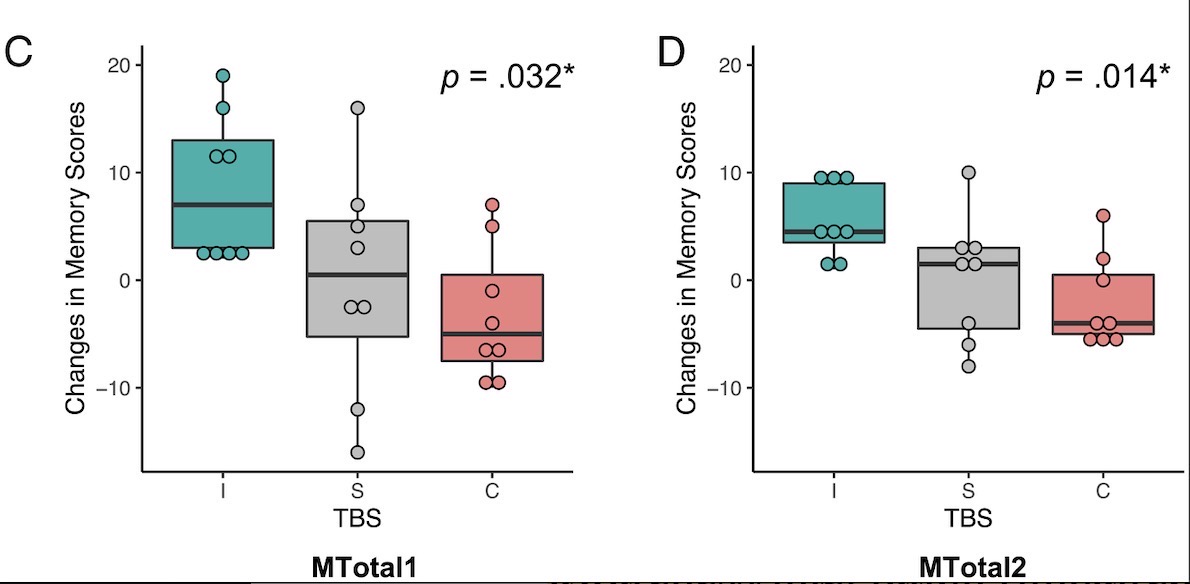
Memory & cognition enhancement
Using neuroimaging and individualized targeting, we are developing image-guided TMS protocols to enhance memory in older adults and those at risk for Alzheimer's disease. By personalizing stimulation targets with resting-state connectivity, hippocampal anatomy, and white-matter pathways, we aim to move beyond one-size-fits-all protocols and improve therapeutic outcomes.
Examples: Chen et al. 2022 (PNAS); Chou et al. 2020 (Neurobiology of Aging).
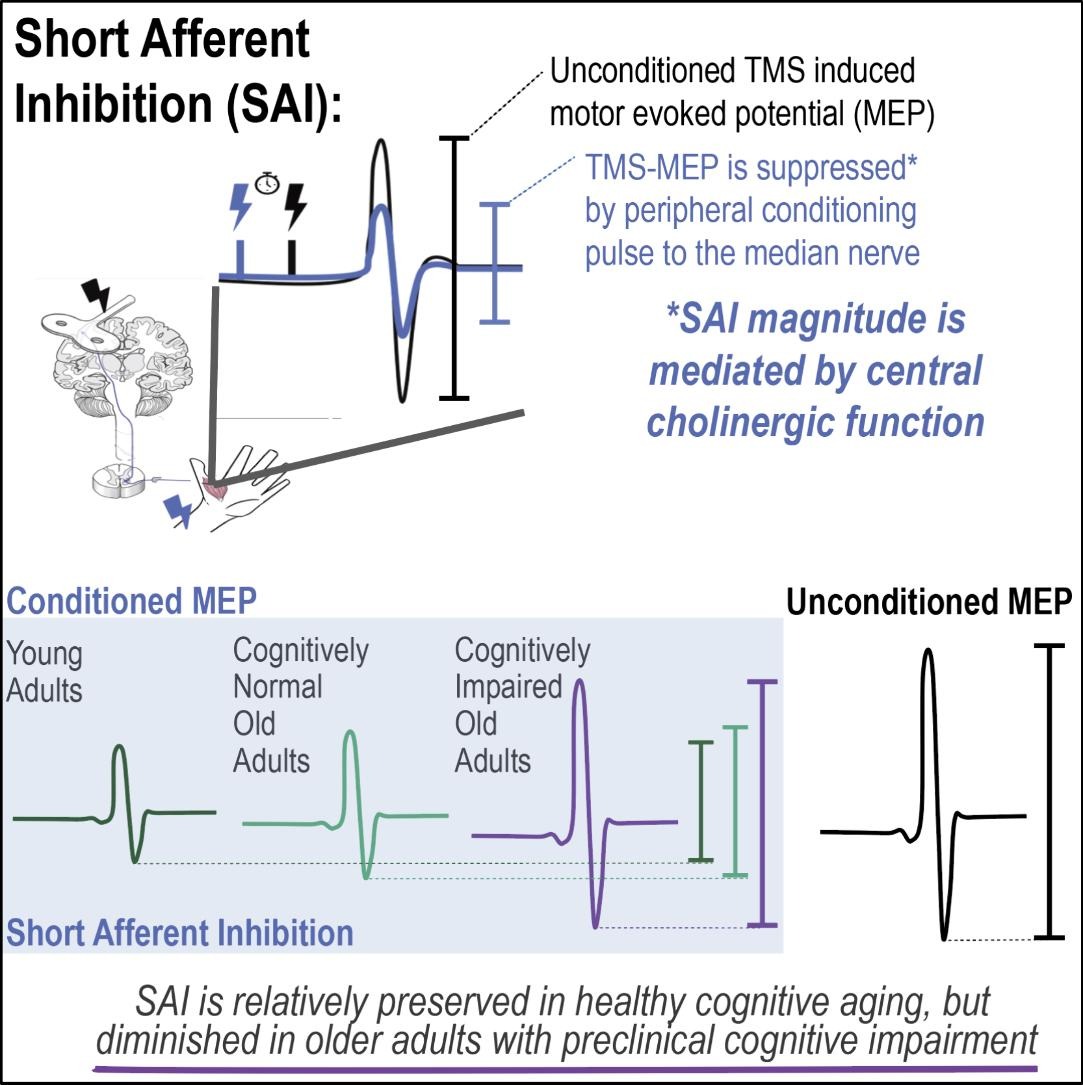
Plasticity & brain health
Using TMS probes of cortical plasticity — including homeostatic metaplasticity, short afferent inhibition, and motor thresholds — we are characterizing brain health across aging. These measures hold promise as early biomarkers of cognitive decline and predictors of therapeutic response.
Examples: Sundman et al. 2024 (Aging Brain); Sundman et al. 2020 (Brain Communications).
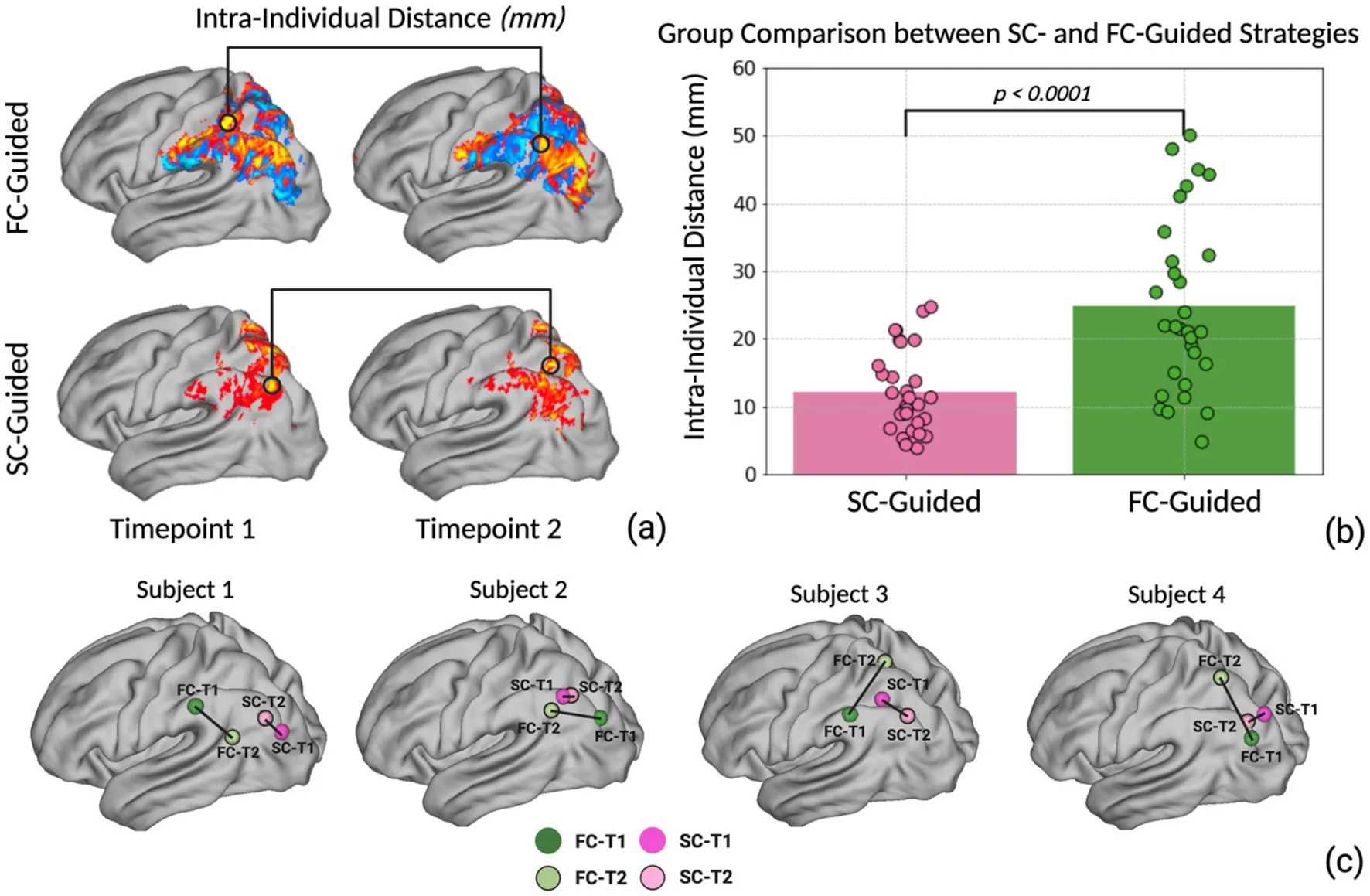
Precision neuromodulation
Combining neuronavigation, white-matter-tract targeting, electric-field modeling, and accelerated TMS protocols, we are advancing the field toward more precise and individualized stimulation. Ongoing work extends these approaches toward closed-loop stimulation guided by real-time brain signals.
Examples: Chen et al. 2022 (PNAS); Zhang et al. 2025 (Biological Psychiatry).
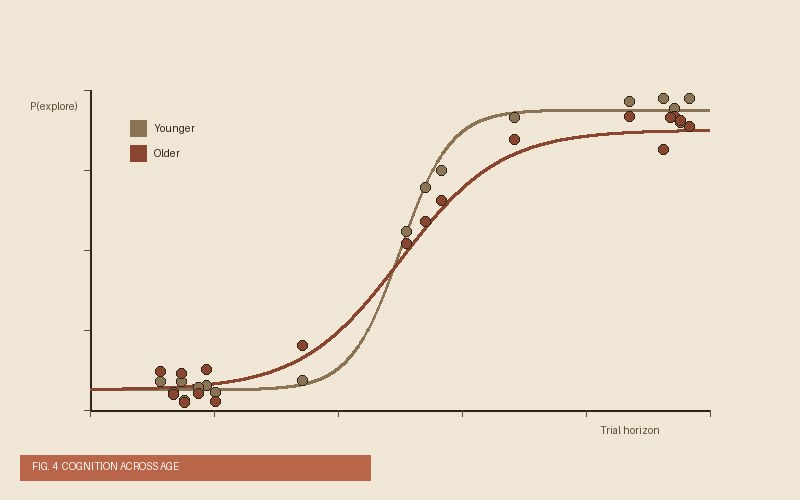
Methodological advances
Using spatially-resolved EEG, connectomic analyses, and novel cognitive assessments, we are developing new tools to measure TMS-induced brain changes and detect subtle aging-related decline. This work supports both our therapeutic program and the broader field.
Examples: Frank et al. 2026 (Frontiers in Human Neuroscience); Liu et al. 2025 (Frontiers in Aging Neuroscience).
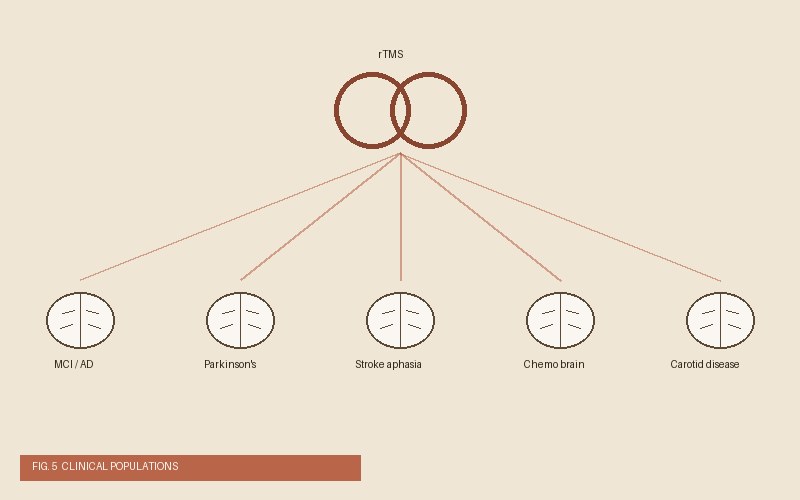
Cross-population applications
Extending TMS therapeutics beyond cognitive aging, we collaborate with clinical partners across diverse populations — including Parkinson's disease, stroke aphasia, post-chemotherapy cognitive impairment, and carotid disease — to advance neuromodulation as a translational tool.
Examples: Chou et al. 2015 (JAMA Neurology); Kielar et al. 2022 (Clinical Neurophysiology).
Interested in joining a study? Complete the participation form →
Current Research Support
Hippocampal Plasticity via Repetitive TMS
Targeting Sleep to Preserve Memory: Accelerated Theta Burst Stimulation and At-Home Sleep EEG to Enhance Cognitive Health in Aging
Precision Neuromodulation for Cognitive Aging: Leveraging BrainAGE to Predict and Personalize rTMS Response
Investigating the Potential of Ketone Supplementation as a Primer for Neural Plasticity
Arizona Alzheimer's Consortium Match Projects
TMS of the Default Mode Network for Sleep
Carotid Disease in Cognitive Impairment & Dementia
Transcranial Acoustoelectric Imaging of Neuronal Currents
EM Neuromodulation of Slow-Wave Activity & the Glymphatic System
Past Research Support
17 completed grants — scroll within the panel below to see all.
| Period | Title | Role | Agency | Type |
|---|---|---|---|---|
| 04/2022 – 03/2024 | Interleaved TBS-fMRI for Spaced Hippocampal Stimulation (Modeling Dose-Response in Amnestic MCI) | PI | NIH/NIA | R21 |
| 09/2018 – 01/2025 | Explore-Exploit Decision Making in Older Adults (PI: Robert Wilson) | Co-I | NIH/NIA | R56/R01 |
| 07/2023 – 06/2025 | Arizona Alzheimer's Consortium Project | PI | AZ Alzheimer's Consortium | Developmental |
| 02/2021 – 06/2021 | MRI-Compatible TMS System — Concurrent TMS-fMRI Method Development | PI | University of Arizona, RII | — |
| 07/2018 – 12/2019 | Non-Invasive Magnetic Brain Stimulation Protocol for Mild Cognitive Impairment | PI | BIO5 Institute, UA | — |
| 07/2017 – 06/2019 | TMS and fMRI to Assess Risk of MCI-to-Dementia Conversion | PI | NIH/NIA (Sub-Award P30 AG019610) | Pilot |
| 11/2020 – 06/2021 | Using TMS to Detect Deficits of Cholinergic System in the Aging-MCI-AD Continuum | PI | UA Faculty Seed Grant | — |
| 07/2018 – 12/2021 | Treatment of Post-Chemotherapy Cognitive Impairment with TMS (PI: Phillip Kuo) | Co-I | UA Cancer Center | Pilot |
| 10/2019 – 09/2020 | 4D Transcranial Acoustoelectric Imaging (PI: Russ Witte) | Co-I | NIH | R56 |
| 07/2017 – 06/2019 | Neural Substrates of Explore-Exploit Decisions in Old Age (PI: Robert Wilson) | Co-I | NIH/NIA (Sub-Award P30 AG019610) | Pilot |
| 10/2020 – 09/2022 | Transcranial Magnetic Stimulation of the Default Mode Network to Improve Sleep (PI: Scott Killgore) | Co-I | DoD, Discovery Award | — |
| 09/2011 – 05/2016 | Neuroimaging of Visual Attention in Aging (PI: David Madden) | Key Personnel | NIH/NIA | R01 |
| 09/2012 – 06/2017 | Dorsal Cingulate Activity and Cognitive Decline in Late-Life Depression (PIs: Lihong Wang and David Madden) | Key Personnel | NIH/NIMH | R01 |
| 07/2012 – 12/2014 | Environments as Smoking Cues: Imaging Brain Substrates, Developing New Treatments (PI: Joseph McClernon) | Key Personnel | NIH/NIDA | R21 |
| 07/1984 – 04/2015 | Behavior and Physiology in Aging (PI: Harvey Cohen) | Postdoc Trainee | NIH/NIA | T32 |
| 09/2008 – 07/2013 | Developing Interventions to Improve Function in Seniors with Comorbid Conditions (PI: Heather Whitson) | Postdoc Fellow | NIH/NIA | K23 |
| 2007 | Effect of rTMS on Cortical Excitability in Patients with Epilepsy | Co-I | Changhua Christian Hospital, Taiwan | — |